
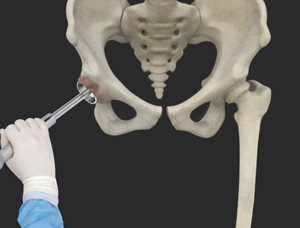
What is Robotic-Assisted Hip Replacement?
Robotic-assisted hip replacement is a minimally invasive surgical procedure that involves the use of a specialized robotic system to remove the damaged parts of a hip joint and replace them with an artificial prosthesis or implant.
What are the Indications for Robotic-Assisted Hip Replacement?
Robotic hip replacement may be performed for:
- Moderate-to-severe arthritis
- Certain types of hip fractures
- Hip osteonecrosis (bone death due to inadequate blood supply)
- Loss of mobility
- Debilitating hip pain
What are the Contraindications for Robotic-Assisted Hip Replacement?
You may be ineligible for the procedure if you have:
- Osteoporosis, which increases the brittleness of the bones
- Hip joint infection
What is the Procedure for Robotic-Assisted Hip Replacement?
- The robotic system consists of mechanical arms and camera arms attached to the surgical instruments. The surgeon remains close to the operating table at the computer console controlling the arms of the robotic system while viewing 3-D images of the surgical site through the console.
- Surgery is performed under general or local anesthesia
- Use of robotic technology enables the surgery to be performed through small incisions.
- Based on the pre-operative surgical plan, the robotic system guides the surgeon while making cuts in the bone and preparing the surgical site for the implant.
- The robotic system ensures a stable environment as well as precise positioning and alignment of implant components to avoid damage to surrounding healthy tissue.
- The implant is tested for a range of motion and the soft tissues and skin are closed over the new hip with sutures.
What Does Postoperative Care for Robotic-Assisted Hip Replacement?
The general postoperative care instructions are as follows:
- Take pain relieving and other medications as advised. Pain-relieving medication should be taken with food. After the first 48 hours of surgery, take the pain medication only when needed.
- Use ice packs to control swelling. However, make sure that the ice bag does not leak into the dressing. Ice packs can be used liberally for the first 48 hours and even later if required.
- Keep the dressing clean and dry to promote wound healing.
- Try to begin physical therapy a day or two after the surgery. Exercises in the first week are usually aimed at regaining joint motion. Strengthening exercises are initiated later. Regular exercises are critical for a successful outcome.
What are the Risks Associated with Robotic-Assisted Hip Replacement?
As with any surgical procedure, the risks and complications include:
- Infection
- Bleeding
- Delayed healing
- Failure to heal
- Formation of blood clots
What are the Benefits of Robotic-Assisted Hip Replacement?
The benefits of robotic-assisted hip replacement include:
- Small surgical incisions and postsurgical scar
- The robotic arm prevents cutting instruments from moving out of the safe zone
- Increased accuracy of bone cuts
- Precise placement of the implant
- Less bleeding
- Fast healing after surgery
- No damage to the tissues surrounding the joint
- Restores normal function